
In enterprise development, the “translation gap” between a design mockup and a production-ready site is usually measured in days or weeks. During a recent evaluation for an enterprise client, I put a modern AI stack to the test to see how far we could compress that timeline without sacrificing quality.
The result? A fully deployed Vite React site in just 50 minutes.
The Workflow
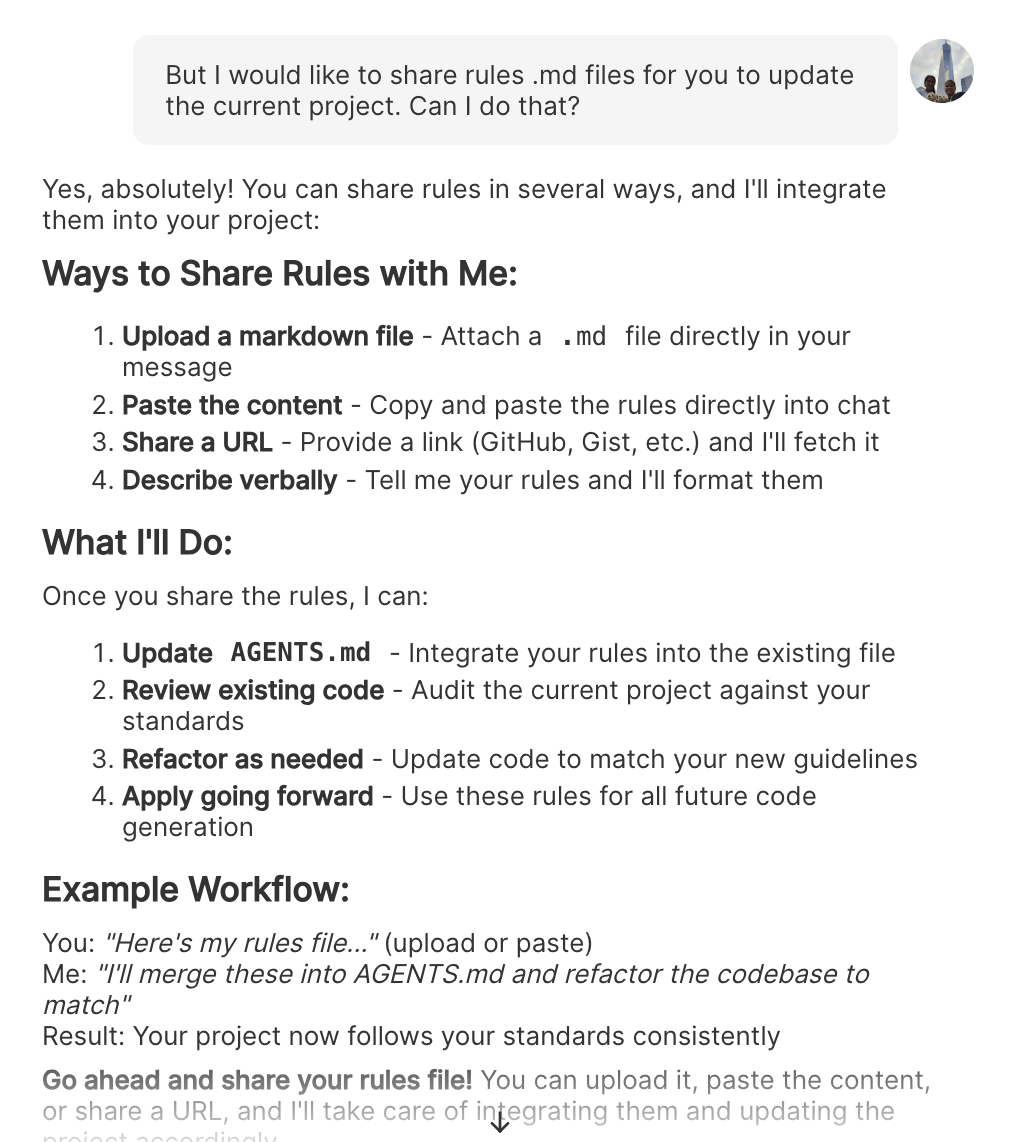
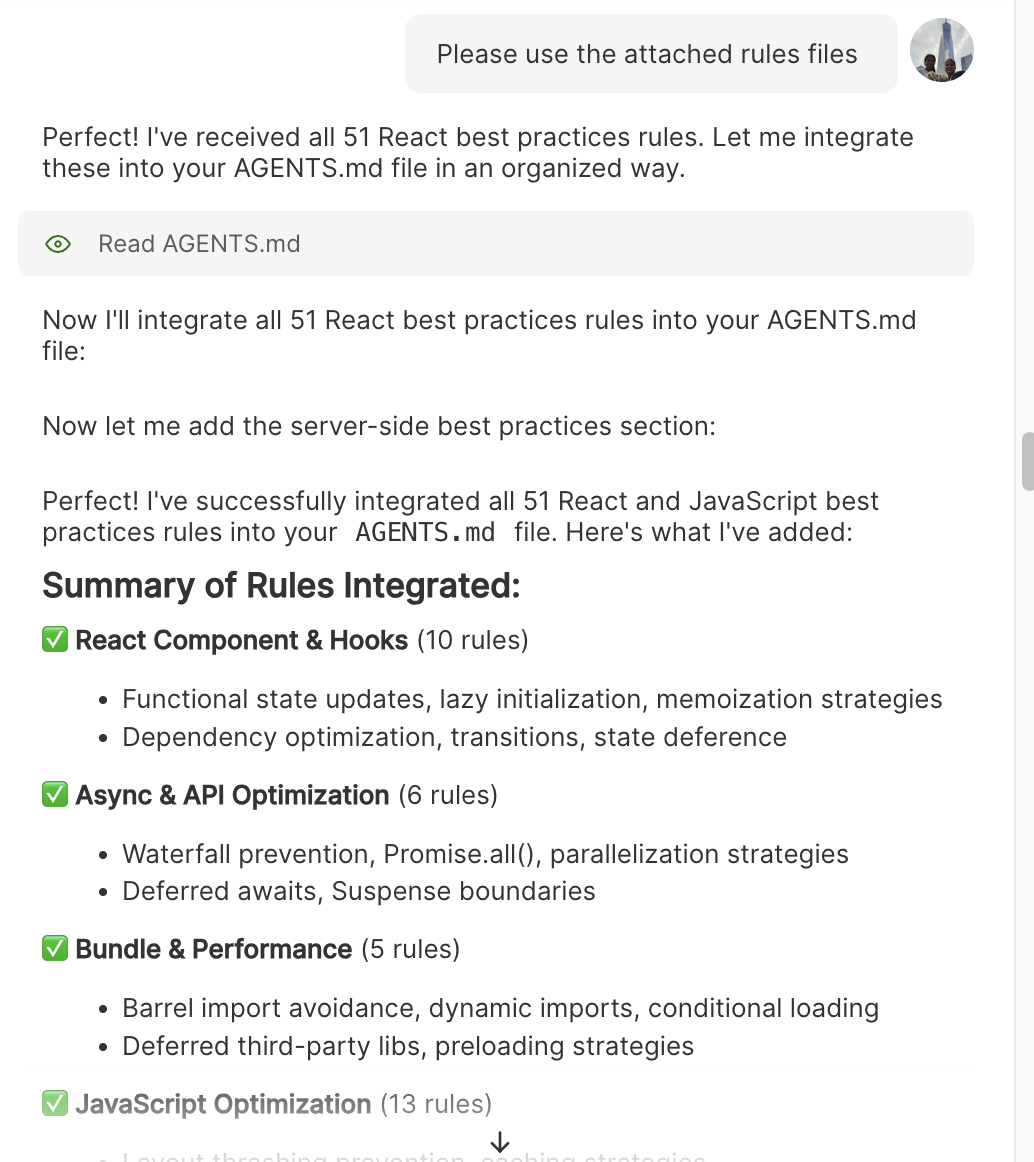
The process started with a single mockup image fed into Builder.io. While many tools can generate basic HTML from an image, the standout feature here was the ability to apply over 50 React best-practice rules to the generative process. This ensured the output wasn’t just functional, but clean, maintainable, performant, and architecturally sound.
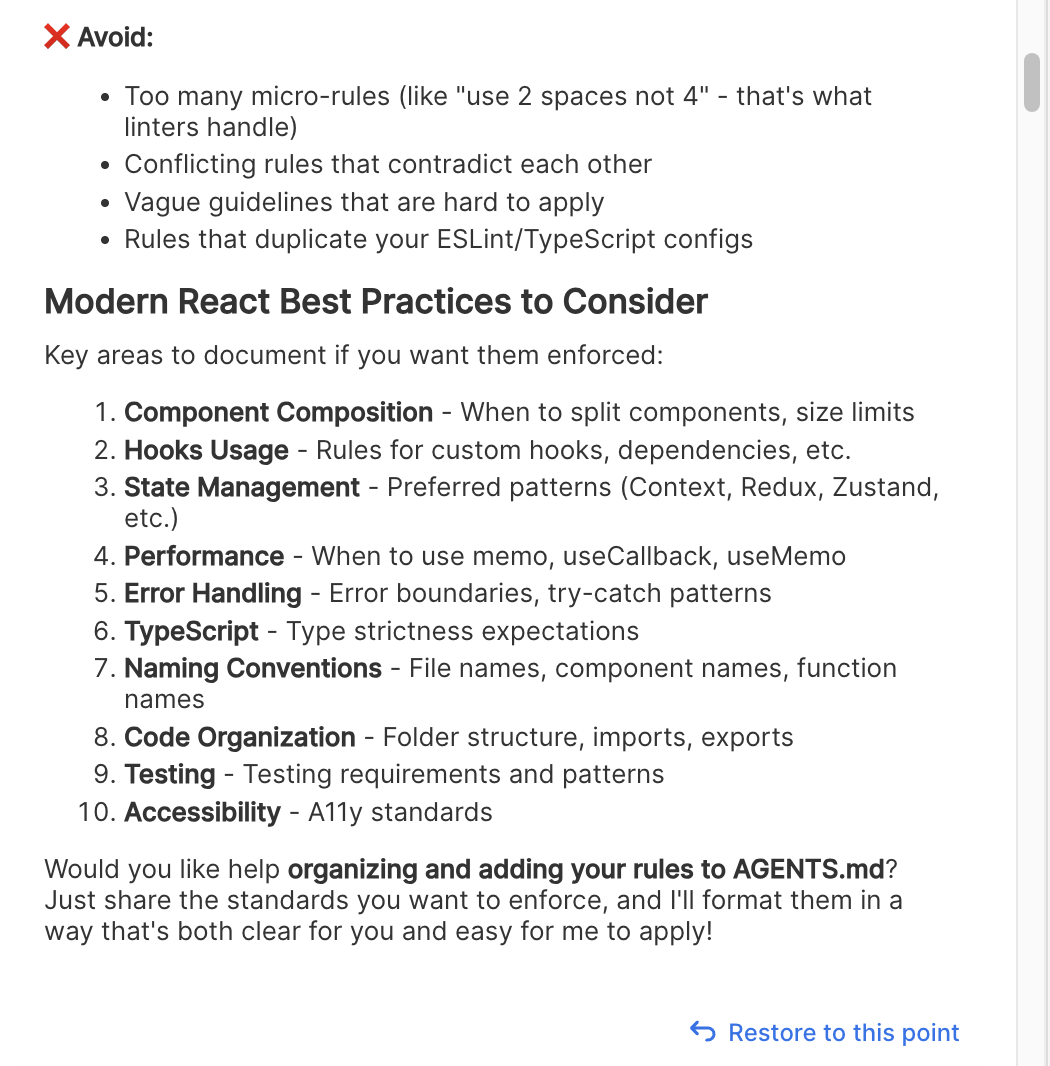
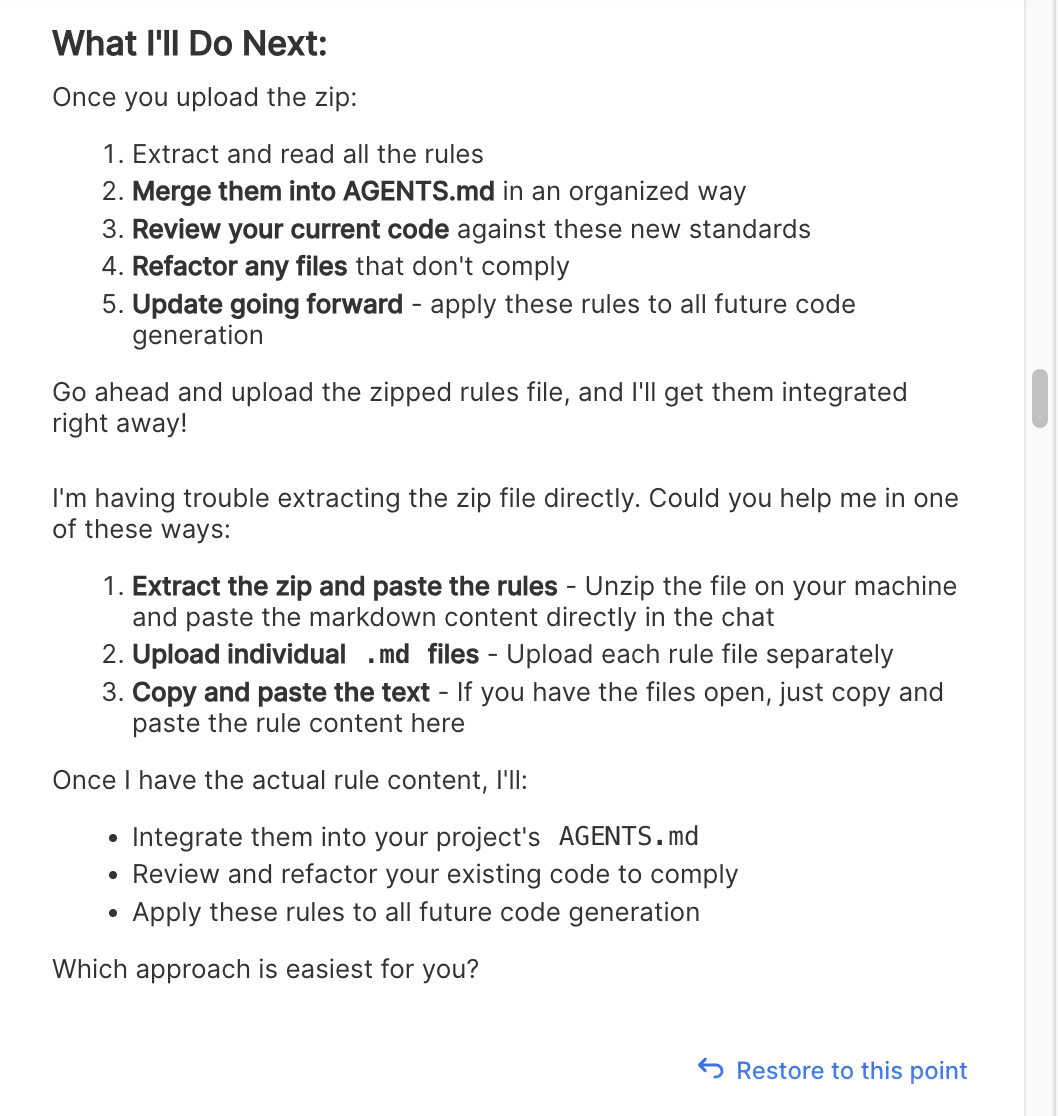
Builder’s agentic UI interface was easy to use. It’s intuitive. Very easy to learn and become productive in no time. Here’s a glimpse of my interactive chats, which helped me build this template page

The Stack
To bridge the gap between generation and deployment, I utilized a high-performance, modular stack:
- Builder.io
:
Mockup image to LLM generated React source code. Builder created interactive React components with basic styles and a responsive grid layout. Click-event handlers and other basic events were AI-generated out-of-the-box. - opencode
:
Project management in Plan and Build agentic modes with multiple sessions. - groq/qwen3-32B
:
Lightning-fast inference to validate builder.io source code with additional Skills files and AWS CLI deployment configuration file generation. - AWS S3
:
Final static website hosting and object storage.
Why It Matters
This experiment proves that we are moving past the era of “AI as a toy.” By influencing the generative process with strict coding rules, we can bypass the technical debt typically associated with AI-generated code.
For enterprise clients, this means a massive reduction in “time to value”—turning visual intent into a deployed reality in less than an hour. The org chart is flattening, and the tools are finally fast enough to keep up.